
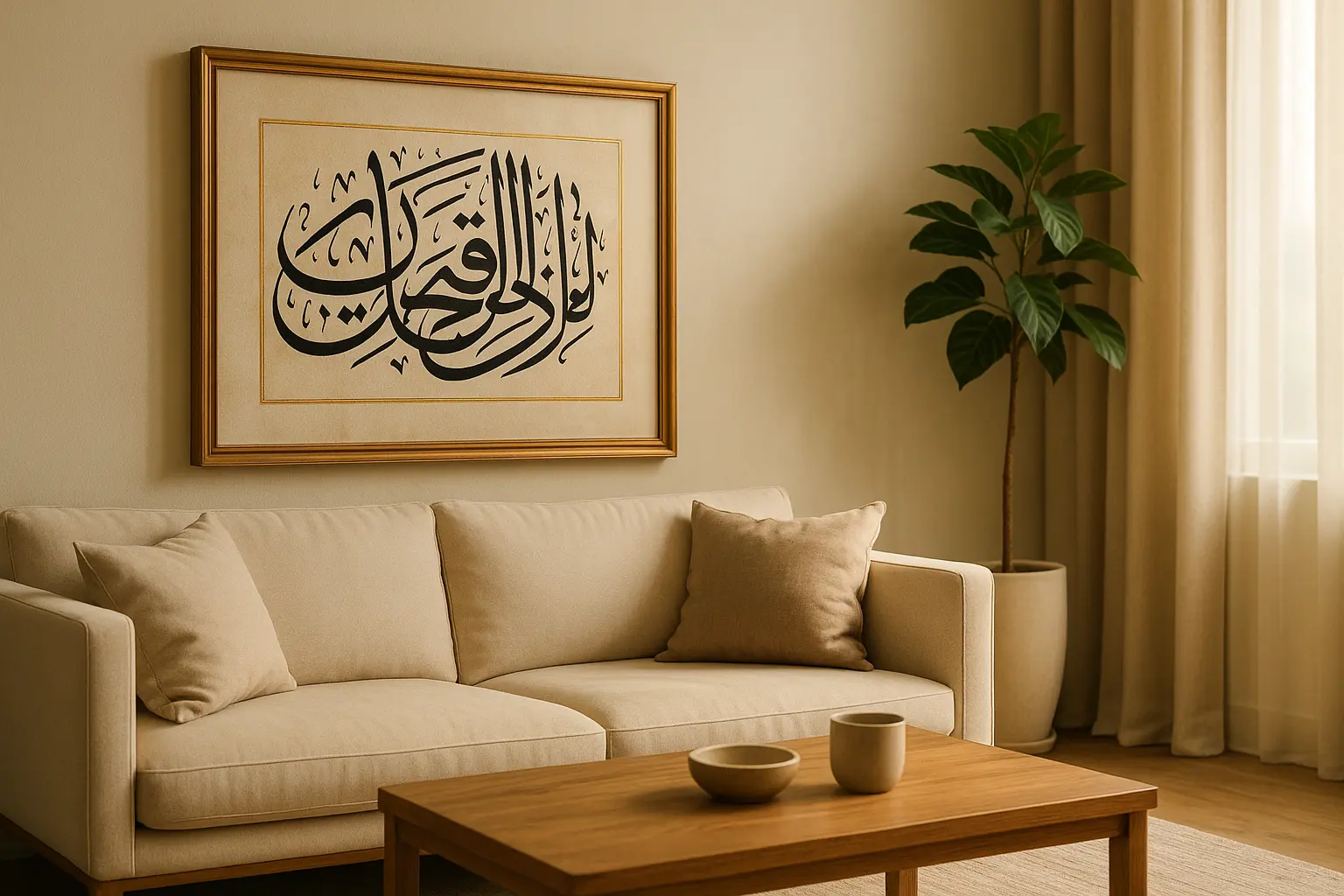
In a world where art trends rise and fade with every new season, some forms of expression remain eternally captivating — and Islamic calligraphy stands at the top of that list.
Whether displayed in a mosque, a contemporary Dubai apartment, or a minimalist art gallery, the flowing elegance of Arabic script continues to inspire awe. It’s more than decoration — it’s a visual form of devotion, carrying centuries of culture, spirituality, and craftsmanship.
Here are five powerful reasons why Islamic calligraphy never goes out of style — and why it continues to redefine timeless art in every generation.
1. It’s Deeply Rooted in Spiritual Meaning
Unlike most art forms that focus purely on visual beauty, Islamic calligraphy connects directly with faith. Each letter and curve often represents verses from the Qur’an, prophetic sayings, or divine attributes — transforming written words into sacred art.
The act of writing itself is seen as a spiritual journey. Calligraphers throughout history approached their craft with mindfulness and purity, believing that the elegance of the written word could reflect the beauty of creation and the oneness of God.
That’s what makes Islamic calligraphy more than just art — it’s worship through expression.
Example: A beautifully written “Bismillah” or “Alhamdulillah” instantly brings peace and meaning to a home or workspace, reminding us of gratitude and faith every time we see it.
2. It Blends Tradition with Modern Design
One of the reasons Islamic calligraphy continues to thrive — even in the era of digital design — is its incredible adaptability.
From ancient Kufic inscriptions carved into mosques to sleek metallic calligraphy on modern apartment walls in Dubai, this art form seamlessly blends into both traditional and contemporary interiors.
Designers today often mix Thuluth, Diwani, or Nasta‘liq scripts with minimal color palettes, abstract compositions, or gold metallic finishes to create pieces that feel both classic and modern.
So while styles evolve, the essence remains the same — timeless letters meeting modern living.
3. It’s Universally Beautiful and Culturally Rich
You don’t need to understand Arabic to appreciate the allure of Islamic calligraphy. Its beauty transcends language barriers.
Every curve, rhythm, and proportion is guided by a deep sense of harmony. The balance between geometry and fluidity makes it universally appealing — a language of beauty that everyone can understand.
Moreover, Islamic calligraphy carries the stories of civilizations — from the palaces of Andalusia to the domes of Istanbul and the art studios of Dubai. When you display it, you’re not just decorating your wall; you’re connecting with 1,400 years of artistic heritage.
4. It Elevates Every Space with Meaning and Calm
There’s something instantly calming about Arabic calligraphy. Whether it’s a bold black Thuluth verse or a minimalist gold line drawing of “Allah,” it transforms ordinary walls into spiritual sanctuaries.
In Dubai’s modern homes, many people now choose Islamic calligraphy art for their living rooms, bedrooms, and offices because it brings a sense of balance and serenity — something every space needs.
It’s not just décor; it’s a daily reminder of faith, patience, and reflection.
Interior Tip: Combine calligraphy canvases with neutral tones, textured fabrics, and soft lighting to create a peaceful, elegant space.
5. It Continues to Inspire Artists Across Generations
Islamic calligraphy has evolved — not faded.
Modern artists now experiment with new materials like metal, acrylic, and digital art to reinterpret classical scripts. The Hurufiyya art movement, for example, turned Arabic letters into abstract modern paintings, merging ancient forms with contemporary techniques.
In 2025 and beyond, AI-assisted calligraphy, 3D engravings, and digital art prints are breathing new life into this timeless tradition — proving that while technology changes, the beauty of the Arabic script endures.
From calligraphy exhibitions in Dubai galleries to online art stores shipping globally, this ancient art form continues to thrive in the modern world.
Conclusion
Islamic calligraphy has withstood the test of time because it isn’t bound by trends — it’s anchored in faith, balance, and beauty.
Its power lies in its ability to evolve without losing its soul. Whether carved on marble centuries ago or printed on a luxury canvas today, it remains an art form that speaks to the heart.
So if you’re looking for décor that combines meaning, elegance, and timeless appeal, Islamic calligraphy will never disappoint. In every curve lies a story, in every letter — a prayer.
FAQs
1. Why is Islamic calligraphy considered timeless?
Because it unites spiritual meaning with visual beauty. Its essence remains relevant across generations — balancing sacred expression with artistic innovation.
2. What are the most popular Islamic calligraphy styles?
The major ones are Kufic, Thuluth, Diwani, Nasta‘liq, and Naskh — each with unique aesthetics and cultural origins.
3. Can Islamic calligraphy fit in modern homes?
Absolutely. Minimalist calligraphy prints, metal wall sculptures, and glass-framed artworks are now trending in modern Dubai interiors.
4. Do I need to understand Arabic to appreciate Islamic calligraphy?
No — the visual harmony, flow, and elegance of the script make it universally admired, regardless of language.
5. Where can I find Islamic calligraphy wall art in Dubai?
Many local brands and galleries offer handcrafted calligraphy art — from luxury gold canvases to modern digital prints — ideal for homes, offices, and gifts.


